

What is Multiple Sclerosis?
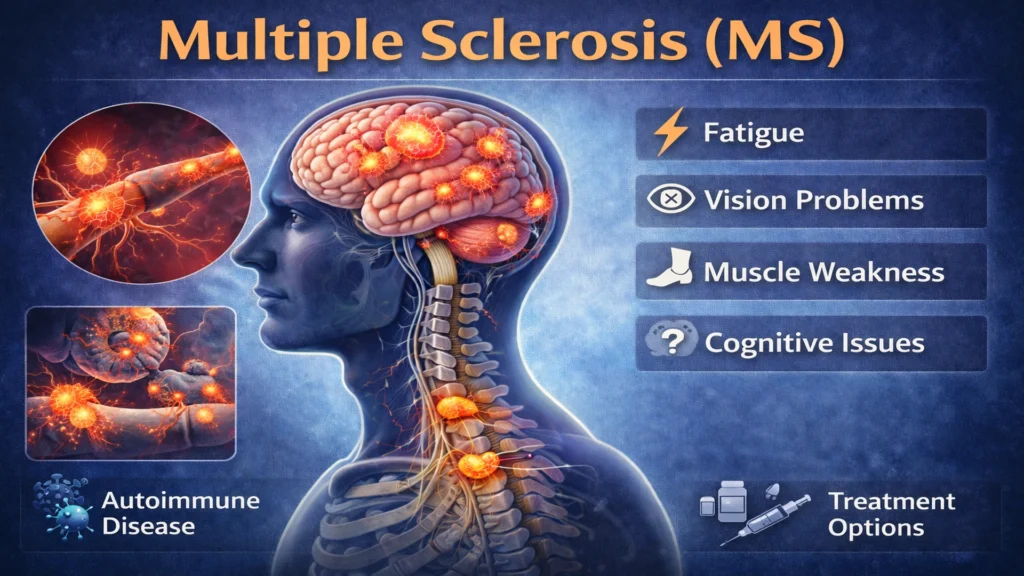
Multiple sclerosis (MS) is a chronic autoimmune disease of the central nervous system that affects the brain and spinal cord. In MS, the immune system mistakenly attacks the protective covering of nerve fibers (myelin), disrupting communication between the brain and the rest of the body.
Over time, this process can lead to permanent nerve damage. MS is considered a long-term neurological condition, but its course and severity vary significantly from person to person.
How MS develops
The exact cause of multiple sclerosis is not fully understood. MS is believed to result from a combination of genetic susceptibility and environmental factors that trigger an abnormal immune response.
When myelin is damaged, nerve signals slow down or stop altogether. This explains why MS can affect many different body functions, depending on which areas of the nervous system are involved.
MS is not contagious, and it is not caused by lifestyle choices or personal behavior.
Types of multiple sclerosis
Multiple sclerosis can present in different clinical forms:
Relapsing-remitting MS (RRMS)
This is the most common form. It is characterized by clearly defined relapses (flare-ups of symptoms) followed by periods of partial or complete recovery.
Secondary progressive MS (SPMS)
Some people with relapsing-remitting MS eventually transition to a stage where symptoms gradually worsen over time, with or without relapses.
Primary progressive MS (PPMS)
This form involves a steady progression of neurological symptoms from the beginning, without clear relapses or remissions.
Understanding the type of MS is important for long-term treatment planning.
Common symptoms of MS
Symptoms of multiple sclerosis vary widely and may change over time. Common symptoms include fatigue, numbness or tingling in the limbs, muscle weakness, problems with balance and coordination, vision disturbances, and difficulty walking.
Some people experience cognitive changes such as problems with memory, attention, or processing speed. Others may develop bladder or bowel dysfunction, speech difficulties, or chronic pain.
Symptoms may appear gradually or suddenly and often fluctuate, especially in relapsing forms of MS.
How MS is diagnosed
Diagnosis of multiple sclerosis is based on clinical evaluation, imaging, and supportive testing. MRI of the brain and spinal cord is a key diagnostic tool, allowing physicians to identify areas of inflammation and demyelination.
Additional tests may include analysis of cerebrospinal fluid and specialized neurological assessments. Diagnosis requires evidence that damage has occurred in different parts of the nervous system at different times.
Early and accurate diagnosis is important to begin appropriate treatment and monitoring.
Treatment and disease management
There is currently no cure for multiple sclerosis, but a wide range of treatments can help manage the disease and reduce its impact.
Treatment typically includes:
- Disease-modifying therapies aimed at reducing relapse frequency and slowing progression
- Medications to manage relapses and inflammation
- Symptomatic treatment for issues such as spasticity, pain, fatigue, or bladder dysfunction
- Rehabilitation therapies to maintain mobility and independence
Treatment plans are individualized and adjusted over time based on disease activity and patient needs.
Living with multiple sclerosis
MS is a lifelong condition, but many people continue to live active and meaningful lives with appropriate care and support. Symptom patterns may change, and periods of stability are common.
Ongoing neurological follow-up, lifestyle adjustments, and multidisciplinary care play an important role in maintaining quality of life.
Emotional and psychological support is also important, as MS can affect mental well-being as well as physical function.
When to seek medical attention urgently
Prompt medical evaluation is recommended if new neurological symptoms appear suddenly or existing symptoms worsen rapidly. This includes sudden weakness, vision loss, severe balance problems, difficulty speaking, or changes in consciousness.
Early assessment helps distinguish between relapse, infection, or other neurological conditions that may require immediate treatment.
FAQ — Multiple Sclerosis
Multiple sclerosis is a chronic autoimmune disease that damages the myelin covering of nerves in the brain and spinal cord, disrupting nerve signal transmission.
MS is not typically fatal. Most people with MS have a near-normal life expectancy, especially with modern treatment and monitoring.
MS is not directly inherited, but genetic factors can increase susceptibility. Having a family member with MS slightly raises the risk.
There is no cure, but disease-modifying treatments can significantly reduce relapses and slow disease progression.
Not always. Many people experience long periods of stability, especially with early and effective treatment.
Yes. Some individuals experience cognitive changes, such as memory or concentration difficulties, although severity varies.
Regular neurological follow-up and MRI monitoring are essential. The frequency depends on disease activity and treatment strategy.


